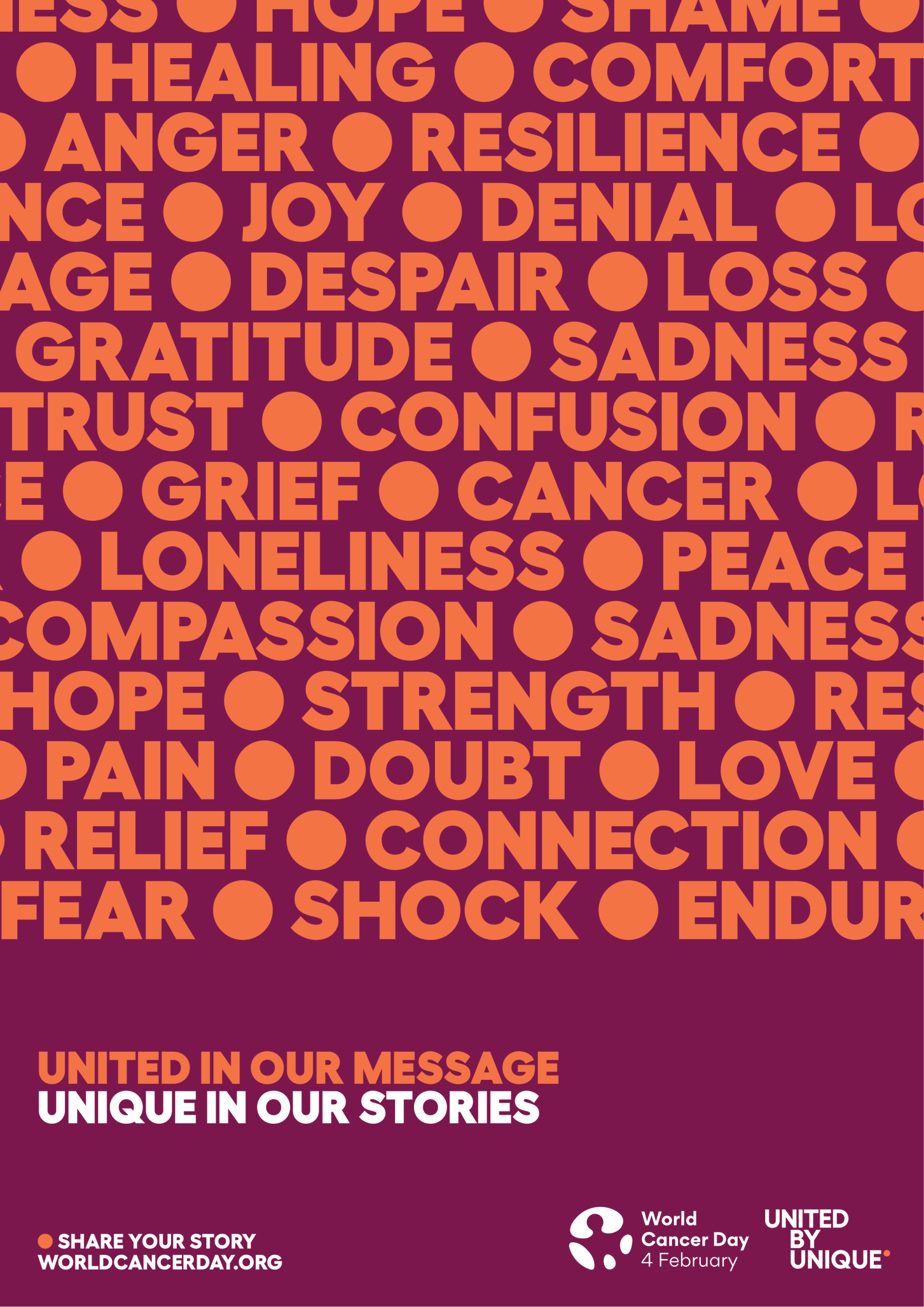
Today, February 4th, the world marks World Cancer Day under the theme “United by Unique.” It is a global call to action that acknowledges that while cancer touches millions, every journey is distinct. This year’s campaign emphasizes people-centered care—shifting our focus from viewing cancer solely through the lens of biology to one that values the lived experience of every individual.
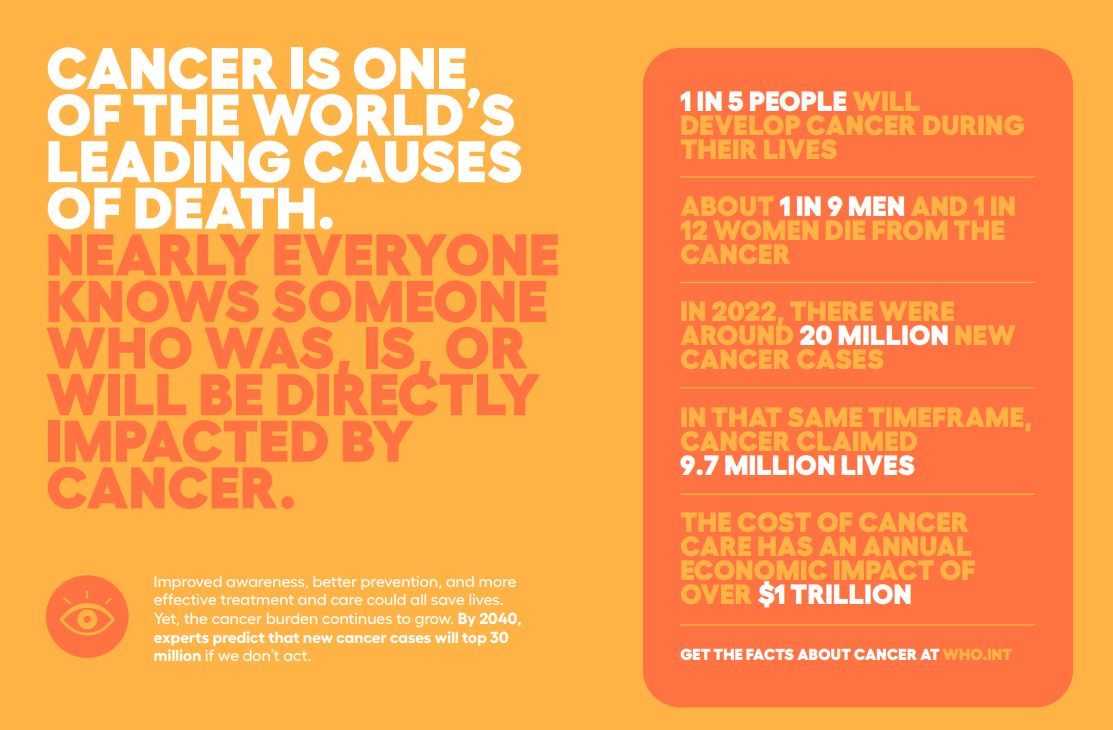
The statistics are a reminder of why this shift is urgent: 20 million new cancer cases were reported in 2022 alone, with experts predicting that number will rise to 30 million by 2040. Cancer remains a leading cause of death worldwide, claiming 9.7 million lives annually. Behind these numbers, there is also an economic impact and an even deeper human cost.
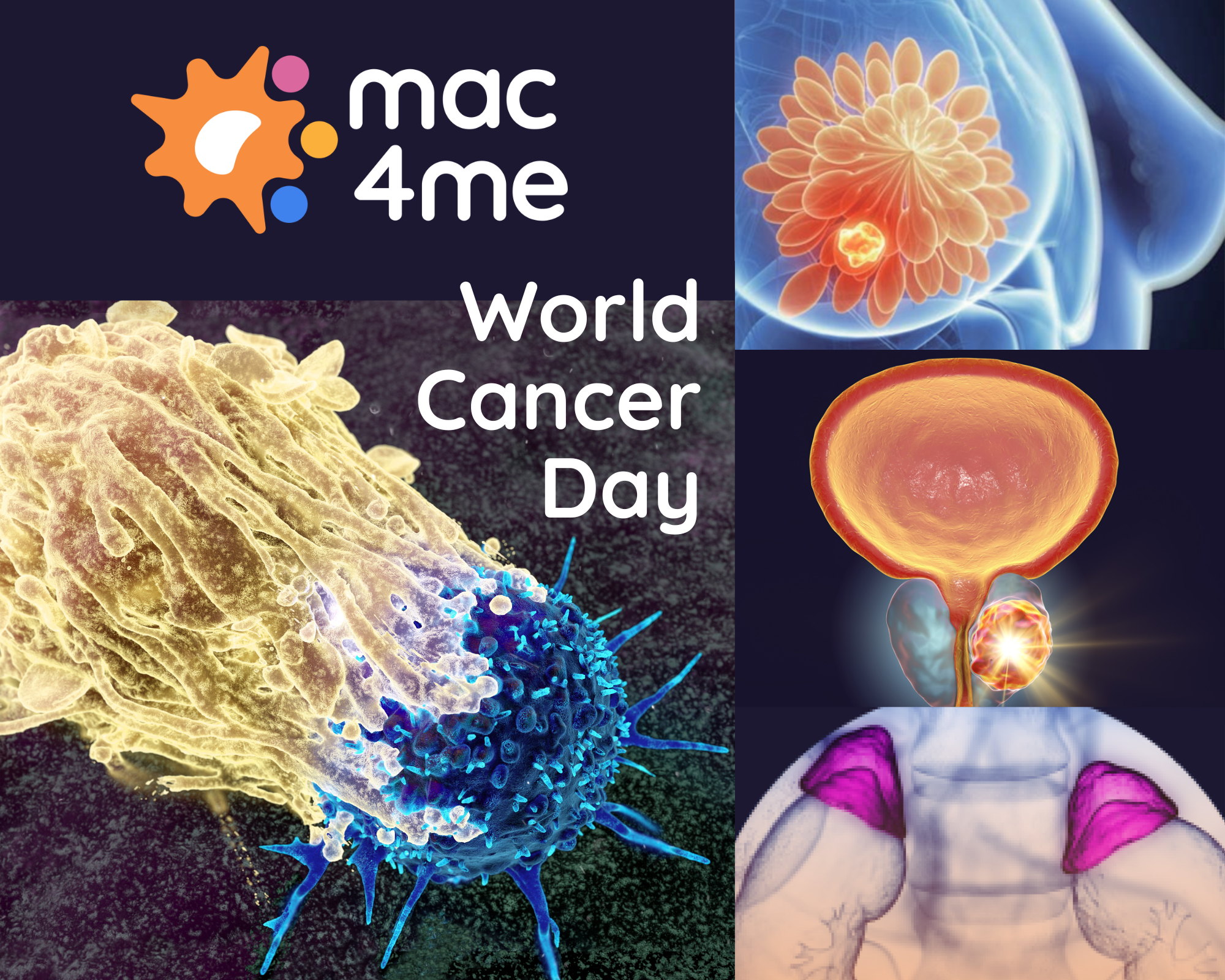
At Mac4Me, we believe that reversing these trends requires more than just traditional lab work. It requires innovation with a human face. Our Horizon Europe MSCA Doctoral Network is addressing these challenges by training 18 Doctoral Candidates (DCs) across Europe to tackle metastatic neuroblastoma, prostate, and breast cancer—tumors that are often resistant to current immunotherapies.
Our approach is designed to bridge the gap between high-tech research and the “lifeworld” of the patient. We are equipping our DCs with training in Patient and Public Involvement (PPI). This ensures that they understand the potential of their research guided by the voices and needs of patients and caregivers, making science more inclusive and responsive.
Our researchers are utilizing Organ-on-Chip (OoC) systems to create “animal-free” models of early metastasis in the brain, bone, and liver. By integrating these models with AI-driven data analysis, we can identify new immune targets with unprecedented precision.By researching how the aging microenvironment and macrophage interactions influence tumor invasion, we are moving away from “one-size-fits-all” treatments toward personalized solutions.
We are skilling a new generation of scientists to move beyond “thinking in boxes,” empowering them to integrate data with the social and human complexities of cancer, ensuring that the future of cancer research is not just about survival rates.